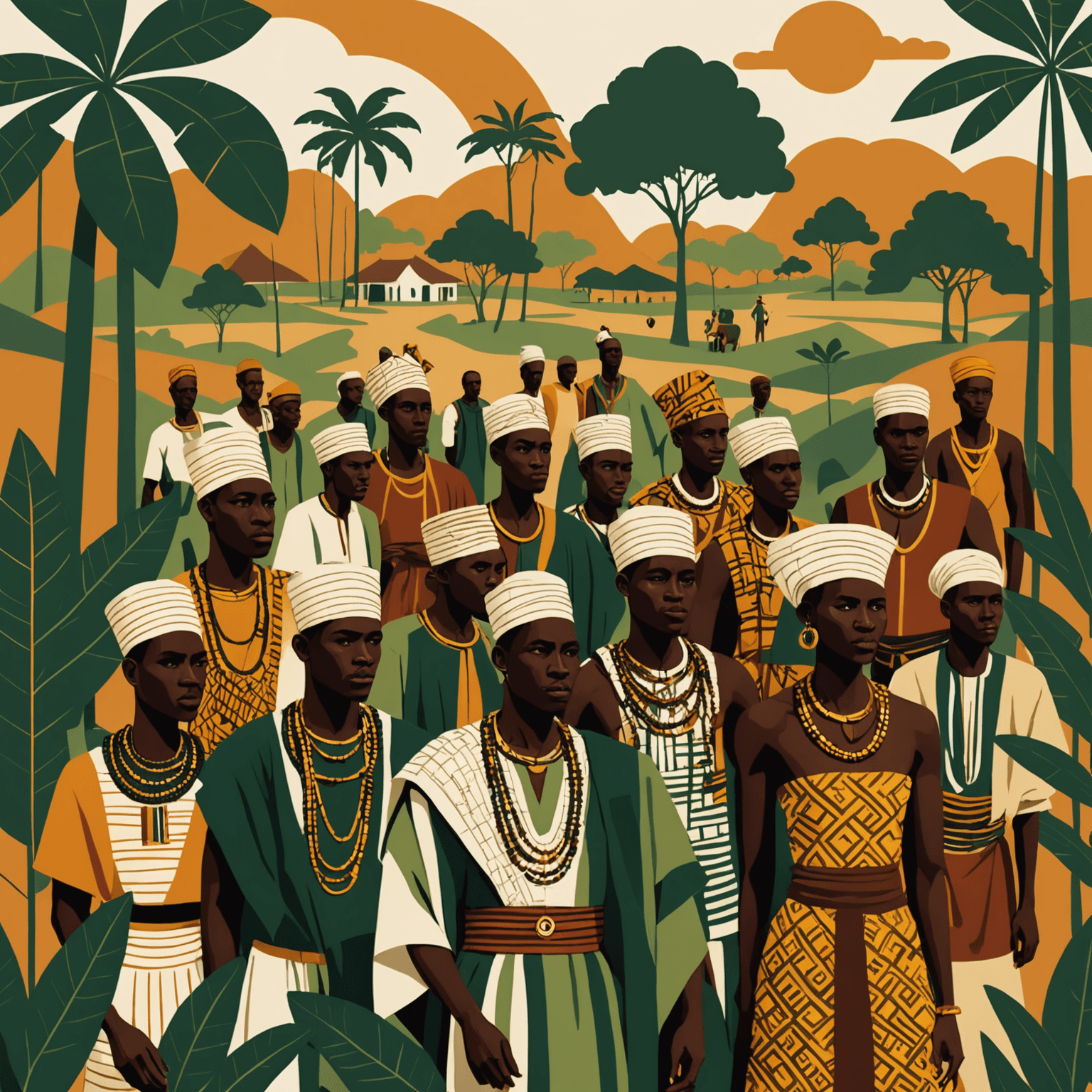
For those of us from Akwa Ibom scattered across the world, understanding where we come from means grappling with the deeper histories that shaped our homelands. The Obolo people's story is one such narrative—a journey that traces back centuries to Central Africa, carrying with it the weight of migration, settlement, and cultural resilience.
Eastern Obolo's historical trajectory reveals more than dates and movements. It shows us how communities navigated displacement, established roots in new territories, and built societies around shared values and traditions. The Obolo presence in Akwa Ibom represents not just demographic history but a living archive of adaptation and continuity.
What's particularly striking is how this history remains tethered to the present day. Today's Obolo communities aren't simply relics of a distant past—they're active custodians of cultural memory. In a world where diaspora communities often struggle to maintain connections to home, the role of places like Eastern Obolo becomes crucial. Through deliberate efforts in cultural preservation and education, these communities ensure that younger generations—whether they live across borders or within Akwa Ibom—remain anchored to their roots.
For diaspora members, this historical consciousness matters. It's a reminder that our contemporary identity isn't invented anew; it's inherited, contested, and continuously renewed. When we engage with Obolo's historical landscape, we're not simply satisfying curiosity—we're participating in the ongoing work of self-definition that diaspora life demands.
The question for us becomes: how do we, from afar, honor and contribute to these preservation efforts? How do we ensure our children know not just that we're from Akwa Ibom, but understand the particular histories that make that claim meaningful?