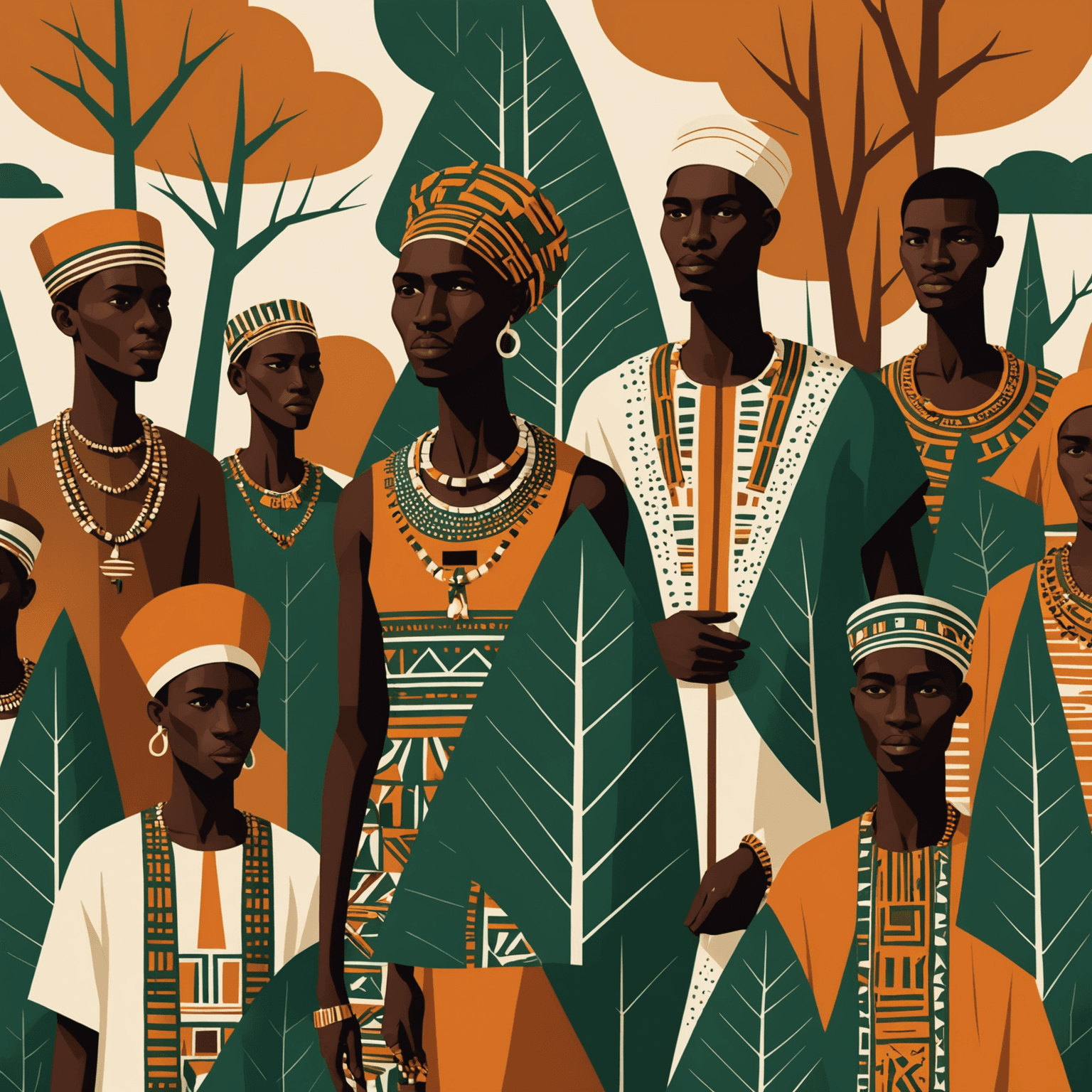
Ibiono-Ibom holds a distinctive place in Akwa Ibom's story—not just as a sprawling local government spanning over 2,700 square kilometers, but as a genuine pioneer in bringing Western education to our region. With nearly 400,000 people spread across nine distinct clans, the LGA represents the kind of cultural diversity and institutional memory that deserves closer attention from those of us in the diaspora.
What strikes me about Ibiono-Ibom's legacy is how it bridges our pre-colonial communal structures with modern governance. The nine clans that make up the LGA carry their own histories, yet coexist within this larger administrative framework—a microcosm of how Akwa Ibom itself functions as a tapestry of interconnected communities.
The educational pioneer status is particularly resonant. For a state that has produced numerous scholars, professionals, and thought leaders scattered across the world, Ibiono-Ibom's role in first introducing Western schooling represents the foundation of that trajectory. Many of us abroad might trace our educational pathways—directly or indirectly—to the institutional groundwork laid in places like this.
For the diaspora community, understanding Ibiono-Ibom's geography, demographic distribution, and historical significance isn't mere nostalgia. It's about recognizing how our individual success stories connect to these broader regional narratives. Whether you're from one of these nine clans or simply curious about how Akwa Ibom developed, Ibiono-Ibom's story deserves to be known and celebrated.