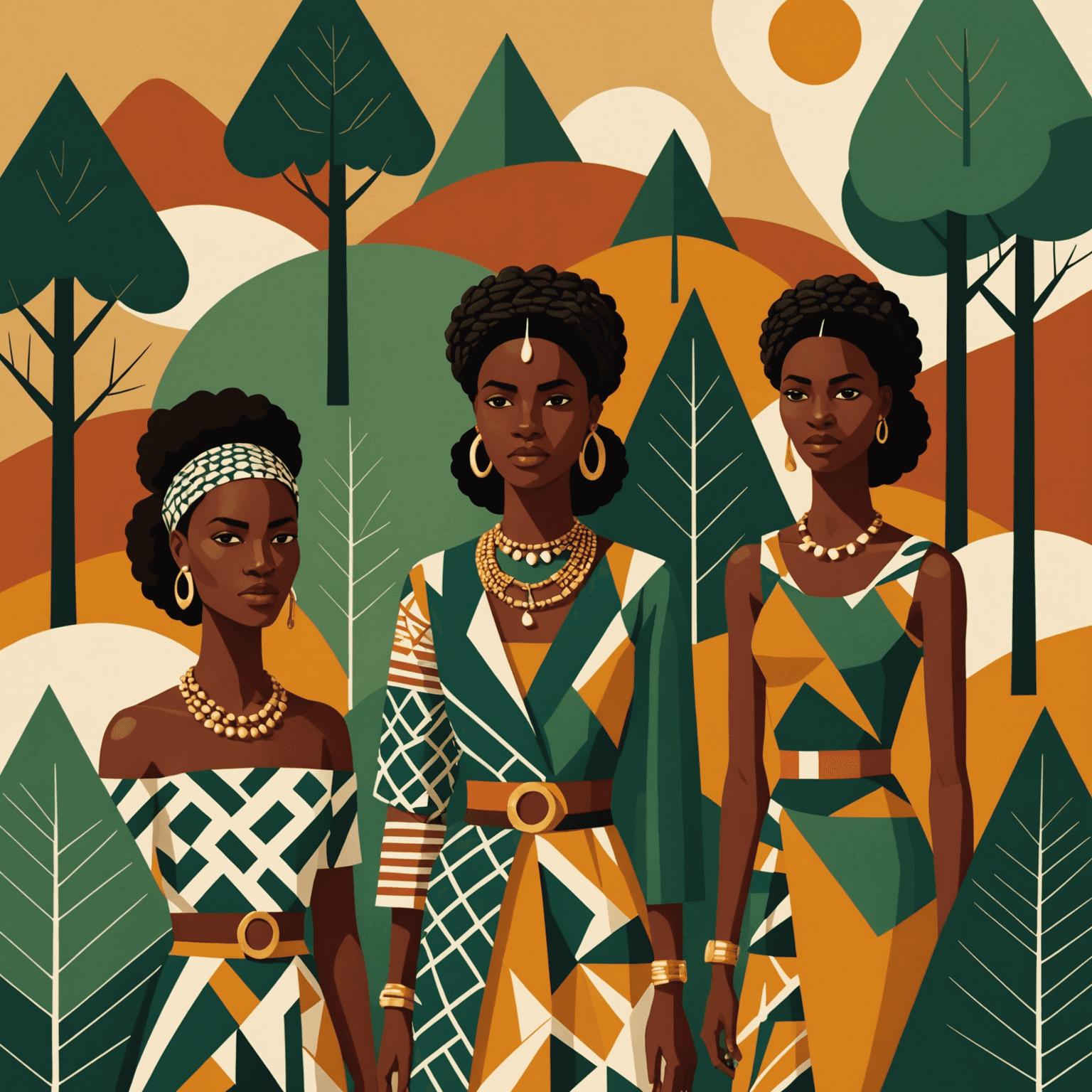
For those of us scattered across the world, there's something grounding about revisiting the deep roots of who we are. The Ibibio people carry a history as intricate as the masks and body art that have defined our cultural expression for centuries. Our ancestors developed sophisticated political structures—like the Obong-Ikpaisong system—that governed community life with wisdom we often forget in the diaspora.
What strikes me most about tracing our lineage is understanding how much of our identity lives in the intangible: the Ekpo secret societies that preserved knowledge across generations, the rituals that bound us together, the artistic traditions that spoke what words sometimes couldn't. These weren't just ceremonies or decorations—they were the architecture of our society.
In our scattered lives abroad, we sometimes reduce Ibibio culture to the visible markers we can carry with us. But the real inheritance runs deeper. It's in how our ancestors organized themselves, made decisions, and invested meaning into every gesture and symbol. The masks weren't just worn; they transformed the wearer and the community witnessing them.
For diaspora Ibibio, there's value in stepping back and seeing the fuller picture of where we come from. It reminds us that our people were sophisticated, organized, and deeply intentional about building culture that lasted. Whether you're engaging with your heritage actively or quietly carrying it, knowing this history gives us context for why certain things feel like home, why certain values stick with us, and why our roots matter even when we've planted ourselves elsewhere.